Archive for the 'Land/Water Plan' Category

Stewardship: Wildlife Management Associations

Wednesday, January 11th, 2012


This is Passport to Texas

City dwelling Texans don’t want to lose touch with their rural heritage. So, large tracts of farm and ranch land get sliced and diced to accommodate the demand.

12—More and more of our land is being fragmented and broken up. And so, small acreage land holdings are more common, especially in the eastern half of the state. You know, we’re talking fifty acres to two hundred acres.

Linda Campbell directs the private lands program at Texas Parks and Wildlife. Habitat fragmentation is like living in a house where none of the rooms connect. How long could you live like that? It’s even tougher on wildlife, which is why neighboring landowners are encouraged to manage their land together.

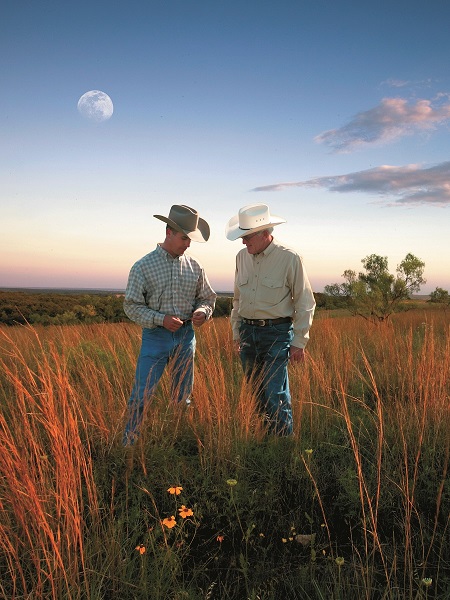
36–We encourage landowners to join with their neighbors in what are called landowner cooperatives, or wildlife management associations. They’re becoming much more common, and landowners working together can get a lot more done for wildlife; they impact more habitat when they work together. And they can accomplish common goals. And, so, we very much encourage and work with groups of landowners to develop these landowner driven cooperatives.

Learn more about landowner cooperatives on the parks and Wildlife website, and find out how you can receive free, confidential technical assistance.

That’s our show…we receive support from the Wildlife Restoration program.

For Texas Parks and Wildlife…I’m Cecilia Nasti.

Tenth Anniversary Water Issue

Tuesday, June 21st, 2011

This is Passport to Texas

For the past ten years, Texas Parks and Wildlife magazine has dedicated its July issue to questions of water in Texas.

07—Big questions that we have to grapple with as a state: where’s our water going to come from, and who’s going to get it and how much are they going to get?

In the 10th anniversary publication, Texas parks and Wildlife Executive Director Carter Smith provides an overview of the past decade, including the progress we’ve made.

13—We’ve made a lot of headway. I think one of the most important things that we have done is to help elevate public awareness and consciousness about the criticality of conserving that water—not only now—but in future generations when we’re going to need it the most.

This includes ensuring plentiful water for the state’s fish and wildlife now and into the future.

19—Texans care about their fish and wildlife. Every single attitudinal survey demonstrates that. Also, there have been some legislative developments over the last 10 years that have helped put science and stakeholder processes together to help ensure that we’re going to have strategies for water that will be available for our fish and wildlife.

Learn more when you pick up the July issue of Texas Parks and Wildlife magazine—on newsstands now.

The Sport Fish and Wildlife Restoration Program supports our series…and funds conservation projects in Texas.

For Texas Parks and Wildlife…I’m Cecilia Nasti.

Texas Outdoor Family Workshops

Tuesday, September 7th, 2010

This is Passport to Texas

A thousand families and counting learned new outdoor skills because they spent a weekend at a Texas Outdoor family workshop.

07—It’s a very basic concept where no experience is necessary, and we provide all the equipment for families to go camping in a state park.

Chris Holmes oversees the program, and says although the equipment families use is on loan, the skills they learn go home with them.

08—Our park rangers teach folks how to use a state park, how to camp properly and how to cook in the outdoors, and just have fun for the whole weekend for the whole family.

A huge benefit of the Texas Outdoor Family program is seeing family members reconnect with one another.

26—We hear instances where the children have just thanked us that their daddy is not using the Blackberry, and he’s not checking his email, and the fact that they all sat around a campfire—the first time they’ve all been together as a family for months. And so, that’s one of the wonderful things of parks—it really charges you physically, spiritually and mentally. Families get together and get to enjoy each others company, and that’s what’s really neat about this program.

Log onto the Texas Parks and Wildlife website and find a schedule of upcoming Texas Outdoor Family workshops happening this fall. In fact there are two on September 11—one at Lost Maples State Park and the other on Galveston Island State Park.

That’s our show…For Texas Parks and Wildlife…I’m Cecilia Nasti.

Amarillo Wildfires Four Years Later

Tuesday, August 24th, 2010

This is Passport to Texas

In 2006, a massive wildfire swept through Amarillo, covering over 900,000 acres of land.

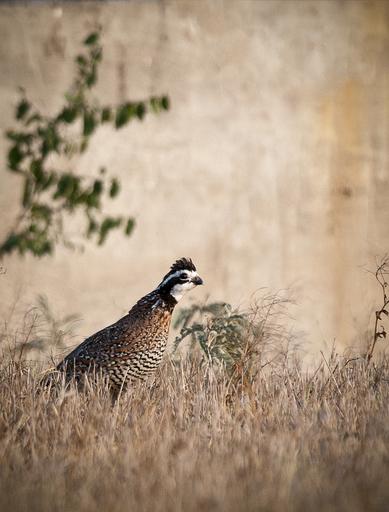
Despite concerns of habitat loss, Texas Tech University researchers recently discovered that quail populations have rebounded quite well.

Basically what we found was in two years post fire, we had normal quail movement, normal nesting success and normal survival of hens.

Head researcher Dr. Brad Dabbert says the research shows biologists need to keep monitoring quail, but they don’t need to worry too much.

It helps us to understand that if wildfires do occur and are large scale that we don’t necessarily need to panic about long-term reductions in populations.

He says, in the some areas that have a lot of vegetation, controlled wildfires can create good quail habitat.

Quail are considered to like areas that do have some bare ground below the canopy of plants. They like the weeds that are encouraged by fire at the right time of year.

And controlled fires can also lessen the possibility of a wildfire. Still, wildfires can be hard to predict. Like much of nature, we’re constantly learning how to live with and manage them while keeping people and wildlife safe and sound.

That’s our show… we had research and writing help from Gretchen Mahan…the Sport Fish and Wildlife Restoration program supports our series… For Texas Parks and Wildlife…I’m Cecilia Nasti.

Lone Star Land Steward: Quebe Farm

Thursday, July 22nd, 2010

This is Passport to Texas

Charlotte Von Rosenberg is the fourth generation to work the Quebe [KWEE-bee] Farm, which she took over from her mother.

14—My mother was careful to impart to me all of the history. And I embarked on a self-education process, where I’ve learned about the plants. And the more I learned, the more I want to learn.

Quebe farm is the 2010 Lone Star Land Steward Award winner for the Blackland Prairie eco-region. Using sound management practices, including prescribed burns, Von Rosenberg’s rejuvenated the land.

The awards recognize private landowners for excellence in habitat management and wildlife conservation. Larry Pierce, Washington County Agrilife Extension Agent, says the Quebe farm is unique.

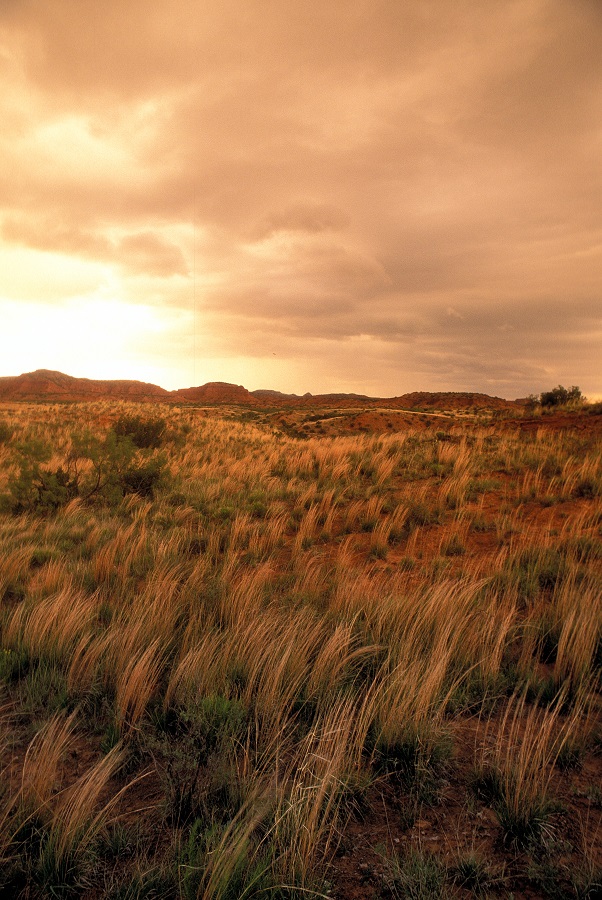
13—This is one of the native prairie remnants that we still have remaining in Washington County; it’s very much a jewel, because it’s never been plowed, it’s never been farmed. There’s such a diversity of native plants here.

Parks and Wildlife biologist, Stephanie Damron, has high hopes for this pristine native prairie.

11—We can utilize this property as an education tool for other landowners in the area. And our hopes are to restore native grasses where we can.

Nominate a landowner for a Lone Star Land Steward Award. Find information at Texas Parks and Wildlife website.

The Wildlife Restoration program supports our series…For Texas Parks and Wildlife…I’m Cecilia Nasti.