Archive for the 'Education' Category

Learning About the Outdoors

Tuesday, September 20th, 2011


This is Passport to Texas

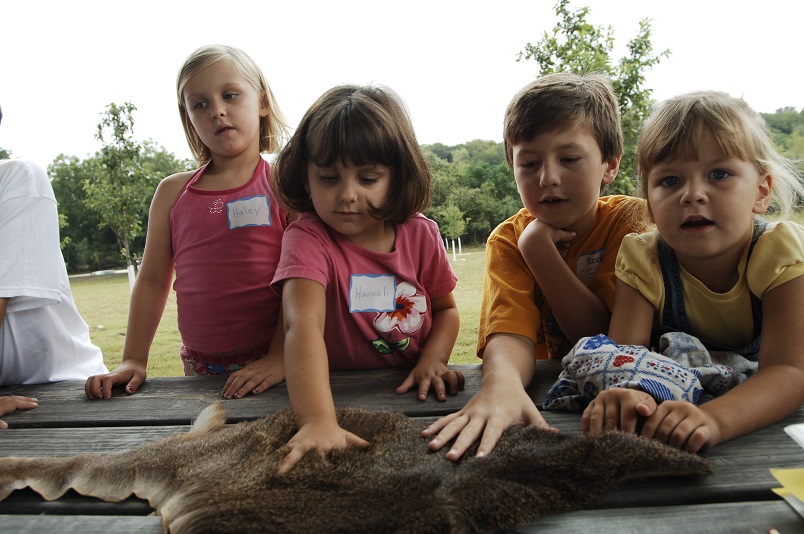
Texas Outdoor Family Workshops offer families an unparalleled opportunity to learn new skills or hone existing skills that will make any overnight camping experience one to remember.

During workshops, which take place at state parks throughout Texas, families work together to set up and break down camp [:04 hammering tent stakes]. Be sure to give everyone a job so the tent and campsite go up quickly.

Fishing is another weekend workshop favorite.

08—Oh, you’ve got a bass. Whoa, that’s huge; that’s bigger than mine, I think. Whoa, my dad’s gonna be happy.

Other activities include guided nature hikes, navigation work, trail exploration, kayaking and one of my favorites, outdoor cooking. During the workshop, staff members show families how to cook in foil packs.

17—We call ‘em “tin turtles” in my business. One of the first tricks is to make sure you buy heavy-duty aluminum foil. The other key to this is you don’t overload your foil meal. If you put too many things in this envelope, you won’t get it cooked at the right temperature.

That’s just a taste of what to expect during a Texas Outdoor Family Workshop.

That’s our show for today. To learn about upcoming Texas Outdoor Family workshops at state parks, visit lifesbetteroutside.org.

For Texas Parks and Wildlife…I’m Cecilia Nasti.
Become a Volunteer Hunter Education Instructor

Friday, September 2nd, 2011


This is Passport to Texas

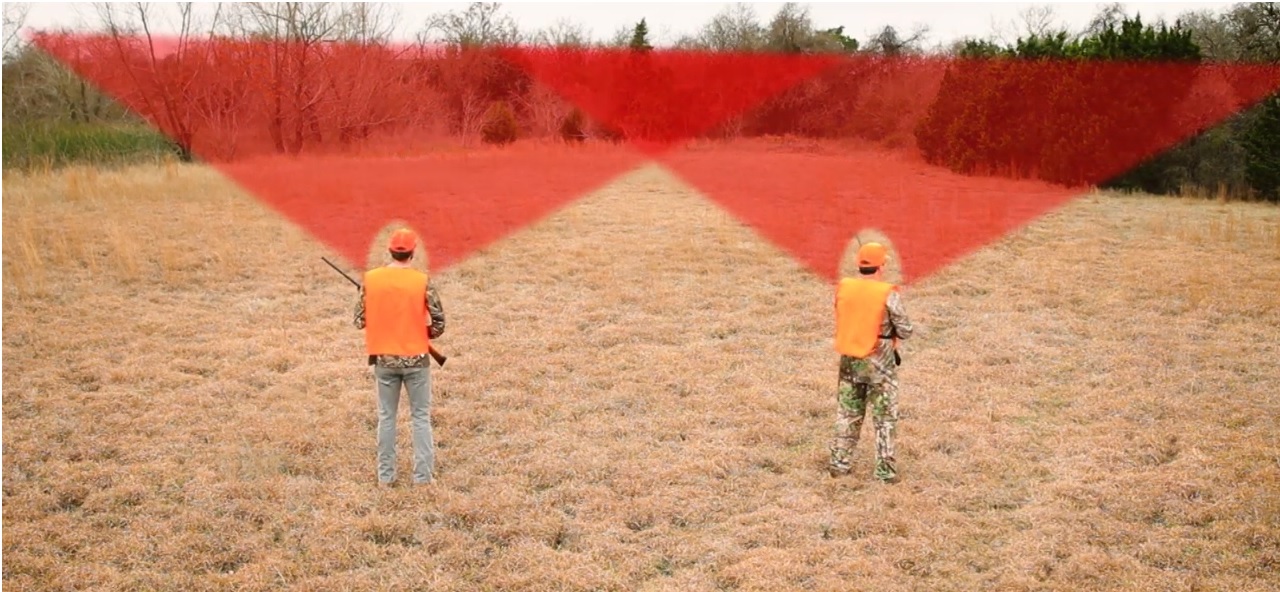
Since 1971, teaching new hunters the basics of the sport is no longer the sole responsibility of family members—new hunters of a certain age must earn certification.

05—Basically it’s anyone who’s born on or after September 2, 1971; They have to take the course.

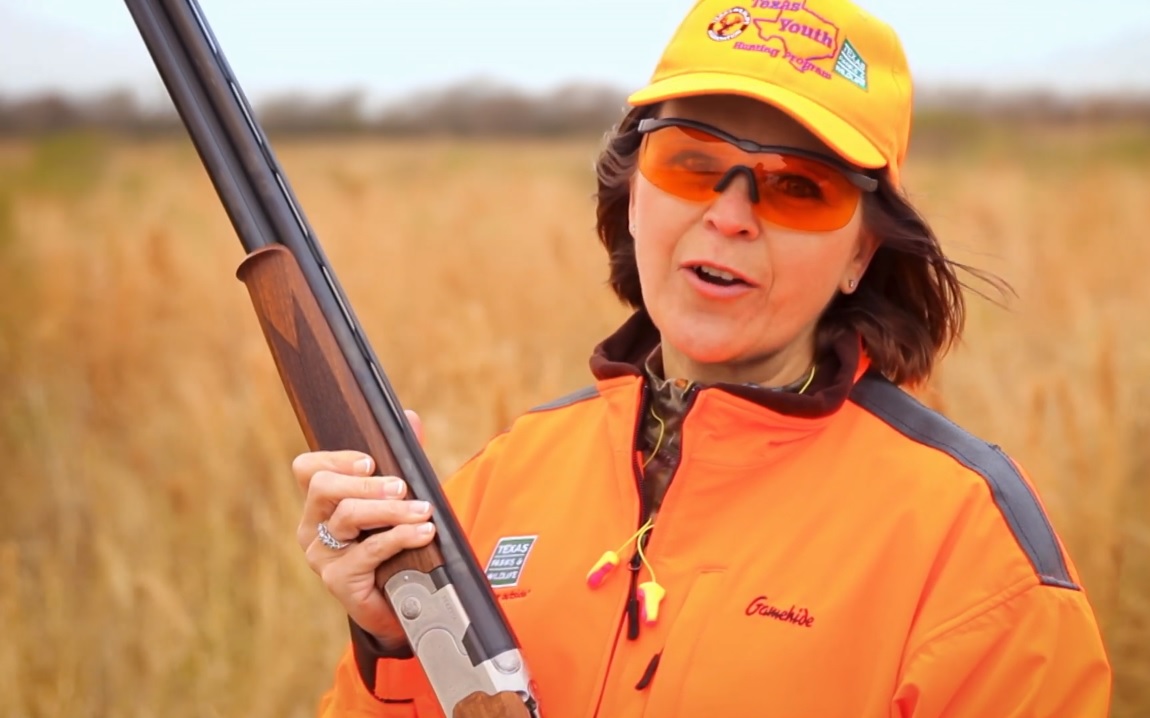
The course is hunter education. Terry Erwin oversees the hunter education at Texas Parks & Wildlife, and says volunteer instructors are the backbone of the program.

07—Many of the individuals have gone through the Hunter education course themselves, and found out that they really wanted to give something to the sport.

Volunteers also save taxpayers a nice chunk of change in the process.

07—If you put a dollar value on it, probably in volunteer hours and things like that, way exceeding half a million dollars.

The volunteer aspect goes beyond the classroom; these dedicated instructors also take on mentoring roles.

12—We always encourage every instructor to take at least one or two youth hunting each year that they train. That starts a mentoring process in which that student goes out under the training and guidance of an experienced hunter.

Learn how to volunteer by logging onto the Texas Parks and Wildlife website.

The Sport Fish and Wildlife Restoration Program supports our series and works to increase fishing, hunting, shooting and boating opportunities in Texas.

For Texas Parks and Wildlife…I’m Cecilia Nasti.
What’s Your Line (doing littering the shore)?

Wednesday, August 24th, 2011

This is Passport to Texas

When you get a snarl in your fishing line, it’s usually not worth trying to pick it apart, so you cut it off and toss it. But pitching monofilament line in the water or on shore is a bad idea.

10—People just don’t realize it can get caught up in boat motors, and it really has been quite a problem. There have been many animals that’ve been injured and killed with this monofilament fishing line.

Ann Miller just retired from her post as Aquatic Education coordinator for Texas Parks and Wildlife. You may think disposing of monofilament line in the water or on shore isn’t a problem, because UV rays will break it down, rendering it harmless.

15—But you forget that many times, if the monofilament is below the water line or in the shade, those UV rays are not there breaking it down. And so, we really do have a lot of monofilament that is in the environment for many, many years.

Circumvent future trouble by recycling line in outdoor collection bins, or at participating bait shops.

10—The goal of the monofilament-recycling program is to help reduce the amount of monofilament in the environment, to help protect wildlife and fish, and people’s property.

That’s our show…we receive support from the Sport Fish and Wildlife Restoration Program…which support diverse conservation efforts in Texas…funded by your purchase of fishing and hunting equipment and motor boat fuel.

For Texas Parks and Wildlife…I’m Cecilia Nasti.

Firearm Safety

Tuesday, August 23rd, 2011

This is Passport to Texas

The dove season opener is September 1, and if you plan to hunt this season, your firearm needs to work properly.

08—Before you ever start the season or bring it out to use it for the first time make sure that firearm is in good operable condition.

You want to listen to this man. He’s Terry Erwin, TPW Hunter Education Coordinator, and he knows a few things about firearm safety.

06—Make sure it’s clean and well oiled, and always keep that muzzle pointed in a safe direction while you’re handling that firearm.

Terry says to thoroughly clean your firearm using the manufacturer’s recommendations. Now, if you’re new to firearms and unsure of how to care for one, there’s no embarrassment in getting some help…

07—Take it to a qualified gunsmith to have those things looked after and make sure it’s in good operational condition.

Terry reminds us a properly maintained and sighted-in firearm will provide years of reliable service and enjoyment.

15—Once you go out to sight in your rifle and things like that, make sure all your scope rings and that mounts and bases are tightened so when you do sight the rifle in, everything is going to line up and be as it should when you actually go hunting.

Find hunter safety information on the Texas parks and Wildlife Website.

The Sport Fish and Wildlife Restoration Program supports our series and works to increase fishing, hunting, shooting and boating opportunities in Texas. For Texas Parks and Wildlife…I’m Cecilia Nasti.

Ensuring a Safe Hunt with Hunter Safety Training

Monday, August 22nd, 2011

This is Passport to Texas

The closer we get to fall hunting season, the faster hunter education courses fill up.

08—Take it well before the busy season starts, because as the season progresses, courses get more difficult to obtain.

Hunter Education Coordinator, Terry Erwin says you’ll find the hunter education schedule on the Texas Parks and Wildlife website.

13—And then look under Outdoor Learning. Courses are listed under two-day courses, or even the online courses are available. And pick one that’s closest to your location and convenient to your scheduling.

Those born on or after September 2, 1971, who are at least nine years old, must take the course. Not having completed hunter education training could result in a fine if caught.

10—The fine could be a Class C misdemeanor up to $500 for not having a hunter safety course. That happens to be the number one citation written this year.

Young hunters between 9 and 17 years old may go into the field with someone who is licensed.

16—Once you turn 17 you have at least one-year option of buying the deferral, which gives you an extra year’s time to take the course. But, you still must hunt with a licensed hunter while in the field.

The Sport Fish and Wildlife Restoration Program supports our series and works to increase fishing, hunting, shooting and boating opportunities in Texas.

For Texas Parks and Wildlife…I’m Cecilia Nasti.